Steam Cleaner Ultimate Buying Guide 2026

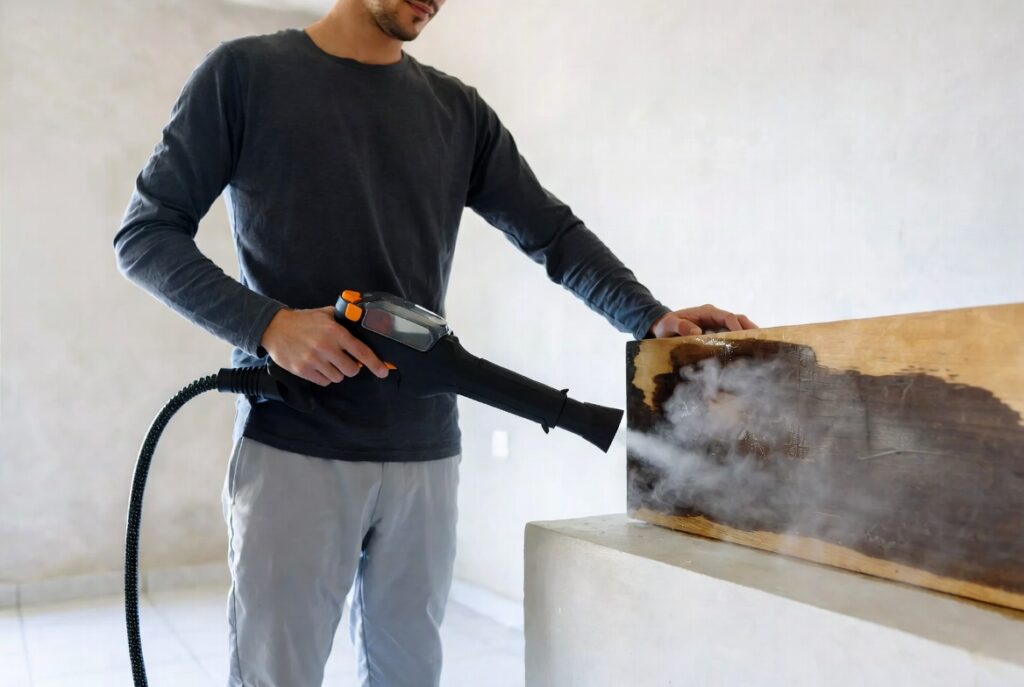
Why Steam Cleaners Matter
Steam cleaning has emerged as the healthiest, fastest, and most chemical-free cleaning method for homes. With rising concern over allergens, bacteria, and deep cleaning, steam cleaners are now mainstream.
Steam cleaners have become one of the smartest home-cleaning investments of 2026—not only because they sanitize deeper and faster, but also because they help households save hundreds of dollars every year.
“Find your yearly spending on traditional cleaning & how much steam cleaning reduces that cost“
In 2026, they’re more advanced than ever — higher pressure, safer designs, better heating systems, and multipurpose attachments that let you clean:
- Floors
- Carpets
- Grout
- Upholstery
- Mattresses
- Bathroom tiles
- Kitchen grease
- Car interiors
This guide covers everything you need to choose the right steam cleaner for your home.
What Is a Steam Cleaner
A steam cleaner uses high-temperature steam (200–315°F depending on model) to:
- Break down dirt
- Dissolve grease
- Kill 99.9% of germs
- Sanitize surfaces without chemicals
How Does It Work?
The process:
- Water is heated in a tank or boiler.
- Pressure builds (measured in PSI or bar).
- Steam is forced out through a nozzle/attachment.
- Heat & pressure loosen dirt instantly.
Steam Cleaner Types
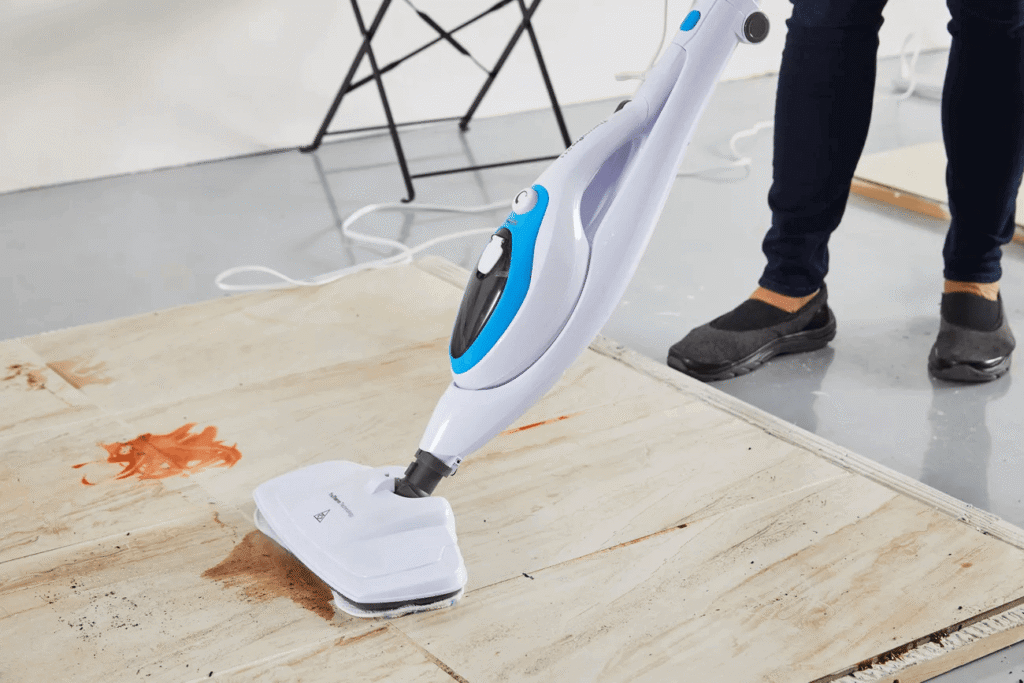
Not all steam cleaners are built for the same job. Some are designed for hard floors, others for carpets, upholstery, or deep sanitization.
Choosing the right category first is important because:
- Each type uses steam differently
- Performance varies by surface
- Buying the wrong type often leads to poor results
Use the categories below to quickly identify the type of steam cleaner that matches your home, surfaces, and cleaning needs.
Handheld Steam Cleaners
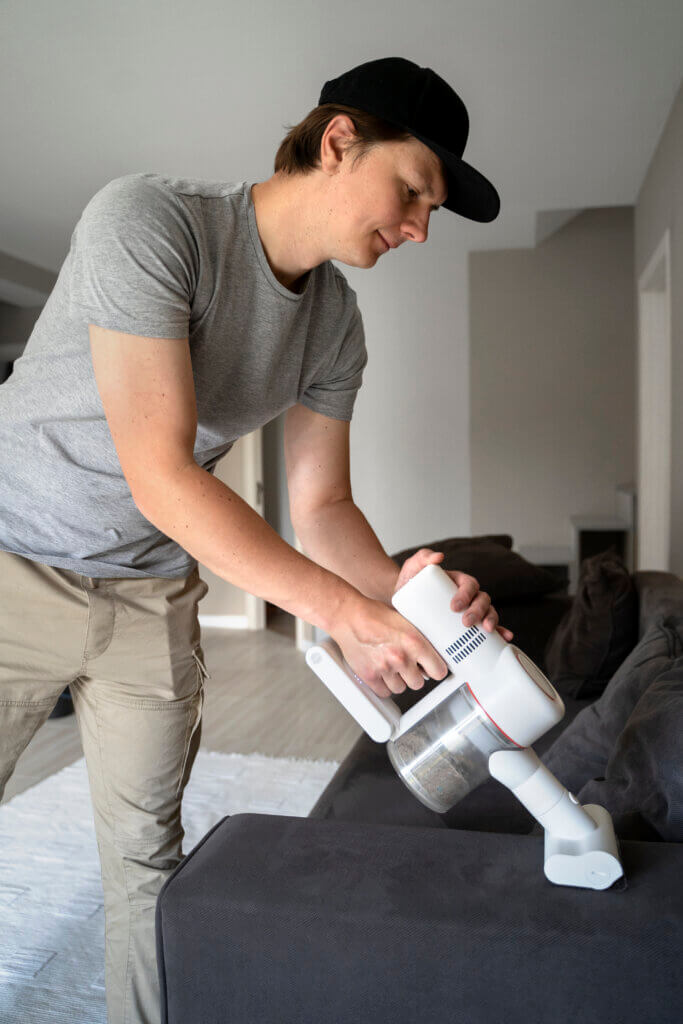
Compact, portable steam cleaners built for spot cleaning and detail work.
Multi-Purpose Steam Cleaners

Versatile canister-style steam cleaners with multiple attachments for whole-home cleaning.
Carpet Steam Cleaners
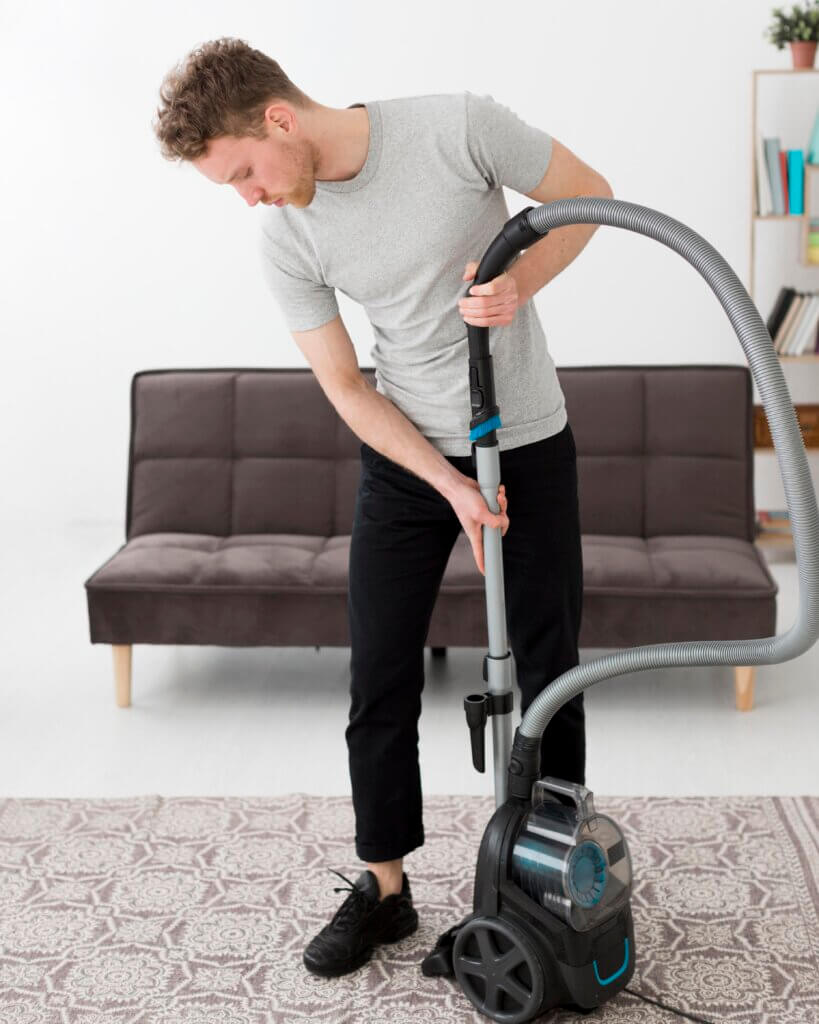
Machines designed to deep-clean carpets and rugs using steam or heated water extraction.
Steam Cleaner Comparison Table
| Feature | Handheld | Steam Mop | Canister | Commercial |
|---|---|---|---|---|
| Pressure | Low | Medium | High | Extreme |
| Temp | 200–220°F | 230–250°F | 250–315°F | 315°F+ |
| Best For | Small tasks | Floors | Whole home | Heavy-duty |
| Attachments | Limited | Medium | Many | Advanced |
| Price | Low | Medium | Medium–High | High |
Key Features to Compare
1. Steam Pressure
Higher pressure = deeper cleaning.
- Low (30–40 PSI) → handhelds
- Medium (40–60 PSI) → steam mops
- High (60–90 PSI) → canister models
- Commercial (90+ PSI) → industrial machines
Expert Opinion (2026): For home cleaning, 50+ PSI is ideal for reliable performance.
2. Steam Temperature
Steam cleaners vary widely in temperature depending on boiler type.
- Basic units: 200–230°F
- Mid-range: 230–260°F
- High-end: 260–315°F
Why Temperature Matters: Higher temps kill germs faster and dissolve grease effortlessly.
3. Heat-Up Time
2026 steam cleaners offer faster heating:
- Steam mops: 20–30 seconds
- Canisters: 4–7 minutes
- Premium boilers: 2–3 minutes
Tip: If speed matters, choose a steam mop or hybrid 2-in-1 unit.
4. Water Tank Size
This determines how long you can clean without refilling.
- Handheld: 100–250 ml
- Mops: 350–500 ml
- Canisters: 1–2 L
- Commercial: 2–5 L
Tip: For a full-house cleaning session, look for 1-liter minimum.
5. Attachments
Better attachments expand your steam cleaner’s capabilities.
Must-Have Attachments
- Grout brushes
- Nylon & brass scrubbing brushes
- Upholstery tool
- Window squeegee
- Triangle brush
- Extension hose
- Carpet glider
Expert Note: Always review what comes in the box—cheap models often advertise “10-in-1” but include low-quality accessories.
6. Boiler Type
Steam cleaners come with:
- Stainless steel boilers → top-tier longevity
- Aluminum boilers → mid-tier
- Plastic boilers → avoid
Stainless steel is the gold standard for heat consistency and system longevity.
What Can You Clean With a Steam Cleaner?
Steam cleaners are incredibly versatile tools that can sanitize and refresh a wide range of surfaces without chemicals. They’re also highly effective for removing grease from ovens, lifting stains from fabric, killing dust mites, and disinfecting high-touch areas. Some of the surfaces a steam cleaner can be used are as follows:
Can You Safely Steam Clean This Surface? Find Out Instantly.
Steam cleaners are powerful — but not every surface is steam-friendly. Using high heat on the wrong material can cause warping, discoloration, or even permanent damage. To help you avoid mistakes, we’ve built a simple tool that gives you instant clarity.
“Check surface Compatibility & find the best steam cleaner for THAT exact surface or material“
Safety Tips for 2026
Steam cleaners are safe, but follow these rules:
- Always test on a hidden surface
- Do not use on unsealed wood
- Let surfaces cool before touching
- Keep children & pets away during cleaning
- Wear gloves when handling high-pressure steam
Maintenance Checklist
To make your steam cleaner last years:
- Use distilled water
- Empty tank after every use
- Clean mineral buildup once per month
- Replace mop pads frequently
- Check gaskets and seals
Expert Tips to Choose the Best Steam Cleaner
Choose based on home size or any other specific need:
Why Trust Steam Cleaner Hub?
Choosing the right steam cleaner can be confusing—hundreds of models, conflicting reviews, and mixed user experiences. At Steam Cleaner Hub, our mission is simple:
To give you honest, expert-backed, evidence-based advice you can rely on. Our Team of Experts tests every steam cleaner in real homes, evaluating pressure, heat, durability, and performance on actual dirt, grime, and pet messes.
We never accept paid placements, and our guides are updated constantly to reflect the latest models and technology.
Have a question or need personalized steam-cleaner advice?
Contact Us anytime at Steam Cleaner Hub, and our team will help you choose the right model based on your home, surfaces, and cleaning needs.